
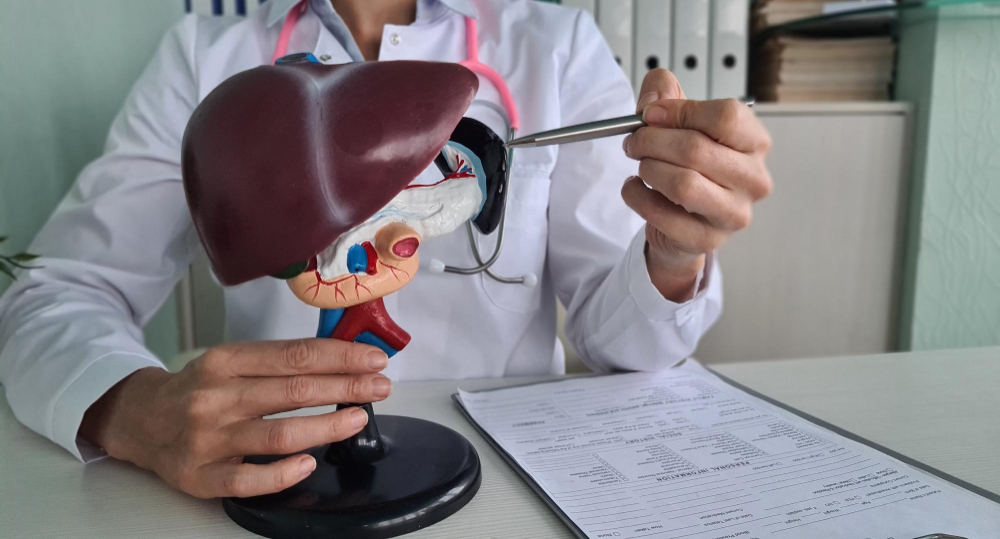
Introduction: What Is Non-Alcoholic Fatty Liver?
Non-Alcoholic Fatty Liver (NAFLD) is a condition where fat builds up in the liver. Importantly, this happens in people who drink little or no alcohol. In 2026, NAFLD is becoming more common worldwide. According to the World Health Organization, millions now face this silent health problem. Because it often has no early signs, many people do not know they have it. However, if left untreated, NAFLD can lead to serious liver damage. For this reason, understanding NAFLD is more important than ever.
Symptoms: How to Spot Non-Alcoholic Fatty Liver Early
At first, NAFLD may not cause any symptoms. Still, some people notice changes as the disease progresses. Early detection is key, so watch for these signs:
Because these symptoms are common in other conditions, it is important to talk to a doctor if you notice them. Early action can help prevent further liver damage.
Causes: Why Are NAFLD Cases Increasing?
NAFLD is rising fast in 2026. Several risk factors make people more likely to develop this condition. For example, obesity is a leading cause. In addition, type 2 diabetes and high cholesterol also raise the risk. Sedentary lifestyles and unhealthy diets play a big role as well. Because more people are living with these risk factors, NAFLD is becoming an epidemic. According to the CDC, the number of cases has doubled in the past decade. Furthermore, genetics may make some people more likely to get NAFLD. However, lifestyle choices remain the main cause for most people.
Diagnosis: How Is Non-Alcoholic Fatty Liver Detected?
Doctors use several methods to diagnose NAFLD. First, they may ask about your medical history and symptoms. Next, they often order blood tests to check liver enzymes. High levels can signal liver problems. In addition, imaging tests like ultrasound or MRI can show fat in the liver. Sometimes, a liver biopsy is needed to confirm the diagnosis. Because NAFLD can be silent, regular check-ups are important, especially if you have risk factors. Early diagnosis helps prevent severe liver disease.
Treatment: Managing NAFLD and Improving Liver Health
There is no single medicine for NAFLD yet. However, several steps can help manage the condition. Most treatment plans focus on lifestyle changes. For example, losing weight can reduce fat in the liver. Eating a balanced diet and exercising regularly are key. Doctors may also suggest:
Because each person is different, your doctor will create a plan that fits your needs. In some cases, medicines for related conditions may help. Still, lifestyle changes remain the most effective way to treat NAFLD.
Prevention: Tips to Lower Your Risk of Fatty Liver
Preventing NAFLD is possible for many people. Simple daily habits can make a big difference. Consider these tips:
Because prevention is easier than treatment, starting healthy habits early can protect your liver for years to come.
Impact: How the Fatty Liver Epidemic Affects Health and Society
The fatty liver epidemic in 2026 is a growing concern. Not only does NAFLD harm individual health, but it also affects families and communities. For instance, advanced liver disease can lead to costly hospital stays and lost workdays. In addition, people with NAFLD have a higher risk of heart disease and diabetes. As more people develop this condition, healthcare systems face greater pressure. Therefore, raising awareness and taking action is vital for everyone’s well-being.
Conclusion: Take Charge of Your Liver Health
Non-Alcoholic Fatty Liver is a serious but preventable condition. Because early action can stop it from getting worse, it is important to know the signs and risks. If you think you may have NAFLD or have risk factors, consult your healthcare professional at Mittal Hospital and Research Centre for advice tailored to you. Your liver health matters—take steps today for a healthier tomorrow.