
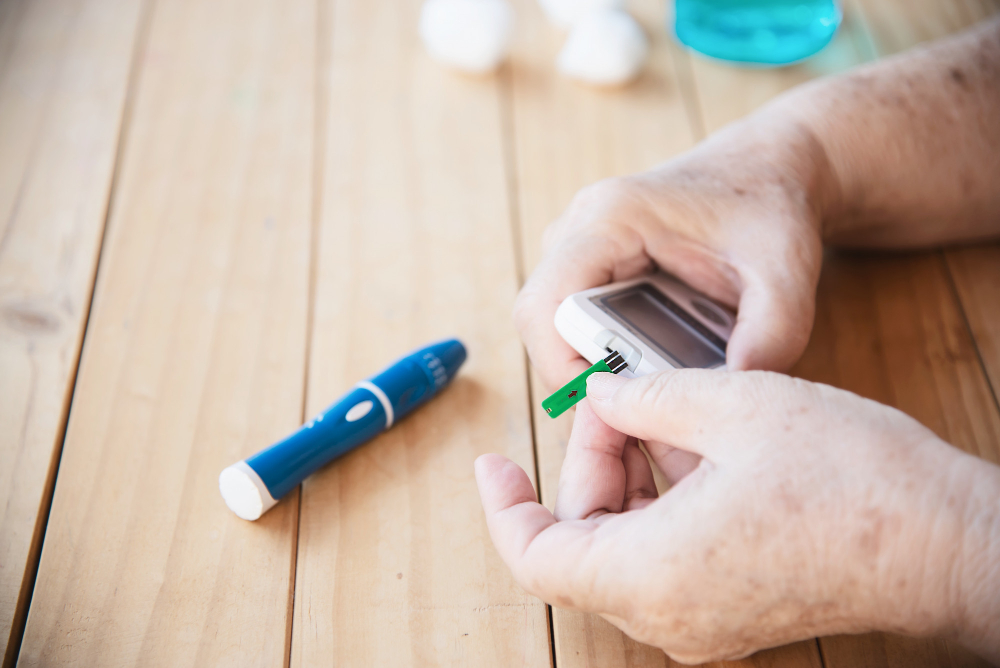
What is Pre-diabetes?
Pre-diabetes means your blood sugar is higher than normal, but not high enough for a diabetes diagnosis. This stage is a warning sign. However, it is not too late to act. Many people do not notice symptoms. Still, early intervention for pre-diabetes can help you avoid type 2 diabetes. According to the CDC, about 1 in 3 adults in the US have pre-diabetes, but most do not know it.
Why the 5-Year Window Matters
During the first five years after a pre-diabetes diagnosis, you have the best chance to reverse pre-diabetes. In this window, your body can still respond well to healthy changes. If you wait too long, your risk of developing type 2 diabetes increases. Therefore, acting early is key. Studies show that lifestyle changes during this time can lower your risk by up to 58% (CDC).
Symptoms and Risk Factors
Often, pre-diabetes has no clear symptoms. Yet, some people may notice:
Even if you feel fine, you could still be at risk. Common risk factors include:
Because risk factors add up, it is important to know your own risk.
How Pre-Diabetes is Diagnosed
Doctors use simple blood tests to check for pre-diabetes. These tests include:
If your results are higher than normal but not in the diabetes range, you may have pre-diabetes. Your doctor will explain what your numbers mean.
Evidence-Based Ways to Reverse Pre-Diabetes
Fortunately, you can reverse pre-diabetes with proven steps. The Diabetes Prevention Program (DPP) and other studies show that early action works. Here are some evidence-based ways to reverse pre-diabetes:
With these steps, you can lower your blood sugar and reduce your risk of type 2 diabetes.
Lifestyle Changes: Diet, Exercise, and Weight Management
Making small changes can have a big impact. For example, swapping soda for water helps lower sugar intake. In addition, adding more vegetables to meals boosts fiber and keeps you full. Here are some simple lifestyle changes for blood sugar control:
Even a little progress counts. Over time, these habits can help you reverse pre-diabetes.
Prevention Tips for Long-Term Health
Once you lower your blood sugar, it is important to keep healthy habits. Therefore, try these prevention tips:
For readers in the US or worldwide, many communities offer diabetes prevention classes.
Conclusion
In summary, pre-diabetes is a warning, but it is not a life sentence. The 5-year window gives you a real chance to reverse pre-diabetes and prevent type 2 diabetes. With early intervention and healthy lifestyle changes, you can take control of your health. Consult a healthcare professional at Mittal Hospital and Research centre for personalized advice on reversing pre-diabetes.