
Introduction: What Is Early Detection?
Early detection means finding health problems before they become serious. For example, many diseases can be treated more easily if caught early. Because of this, regular screenings and paying attention to symptoms are very important. Early detection saves lives and helps people stay healthy longer.
Why Early Detection Is So Important
When doctors find a disease early, treatment often works better. In fact, early detection can lower the risk of serious problems. For many conditions, like cancer or diabetes, early care can make a big difference. Not only does it improve health, but it can also reduce treatment costs and stress.
Common Symptoms You Should Not Ignore
Sometimes, our bodies give us warning signs. However, people often ignore these signs. It is important to pay attention to changes in your body. Here are some symptoms you should not ignore:
If you notice any of these, talk to a doctor soon. Early action can help find problems before they get worse.
The Importance of Regular Health Screenings
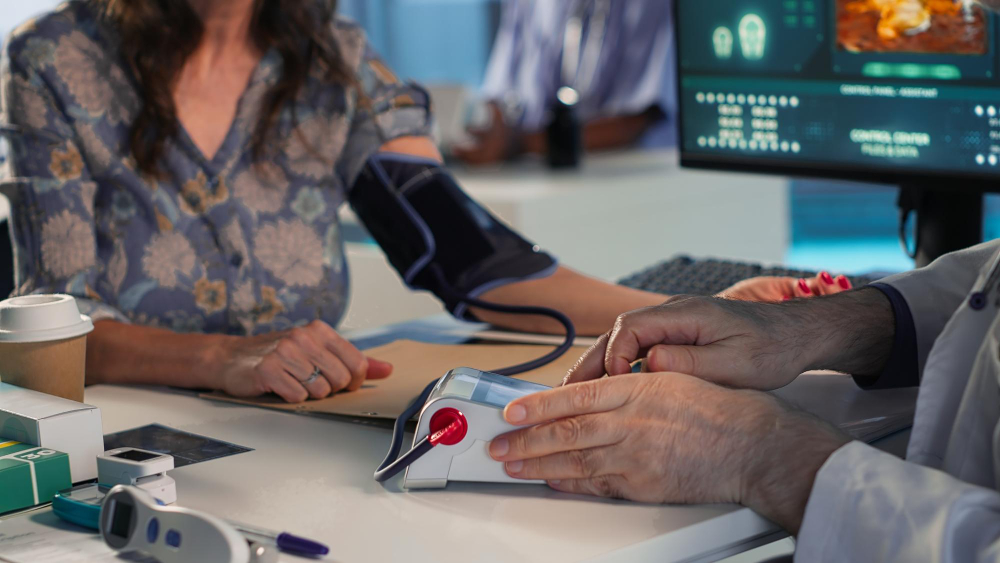
Regular health screenings check for problems before symptoms appear. For instance, screenings can find high blood pressure, diabetes, or cancer early. Many clinics and hospitals offer these tests. In some areas, local health centers provide free or low-cost screenings. Ask your doctor which tests are right for your age and health history.
How Early Detection Improves Treatment Outcomes
When a disease is found early, doctors have more options. Treatments can be less intense and more successful. For example, early-stage cancer is often easier to treat than late-stage cancer. According to the CDC, early detection can lead to higher survival rates and better quality of life. Therefore, getting checked on time is very important.
What to Do If You Notice Symptoms
If you see a new or unusual symptom, do not wait. Instead, take these steps:
Acting quickly can help you get the care you need.
Tips for Scheduling and Preparing for Screenings
Getting ready for a screening is easy. However, a few steps can help you feel more comfortable:
Remember, many clinics offer reminders by phone or email. This makes it easier to stay on track.
Prevention and Proactive Health Habits
While early detection is key, healthy habits also matter. For example, you can lower your risk of many diseases by:
In addition, regular check-ups help you stay ahead of health problems.
Summary and Actionable Advice
In summary, early detection saves lives. Timely screenings and not ignoring symptoms are simple steps that make a big difference. Because your health matters, pay attention to your body and schedule regular check-ups. If you notice unusual symptoms or are due for a screening, consult a healthcare professional at Mittal Hospital and Research Centre, Ajmer, for personalized advice.