
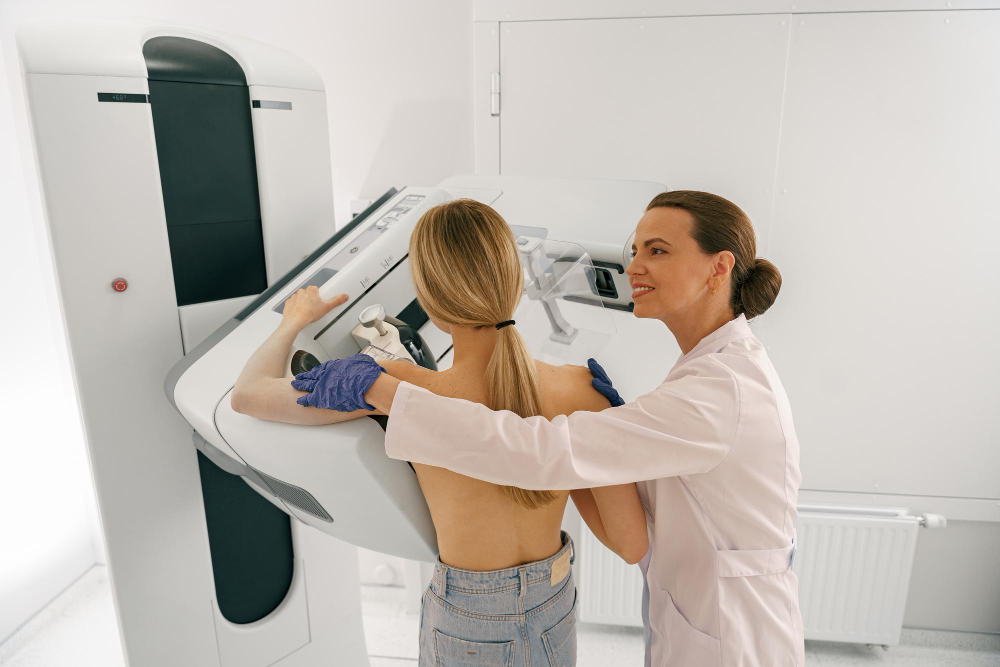
What Is a Mammogram?
A mammogram is a special X-ray of the breast. Doctors use it to look for early signs of breast cancer. Usually, women get mammograms as part of routine breast cancer screening. Because early detection saves lives, regular mammograms are important. Understanding mammogram results helps you know what to do next. According to the CDC, mammograms can find breast changes before you feel them.
How to Read Mammogram Results
After your mammogram, you will get a report. This report explains what the doctor saw in your breast images. Often, the results use simple terms. However, some words may seem confusing. Here are some common terms you might see:
For more details, you can ask your doctor to explain your mammogram results in plain language. If you have questions, do not hesitate to ask. Many mammogram clinics near you offer help with interpreting mammogram results.
Common Mammogram Findings
Sometimes, mammograms show changes that are not cancer. For example, you may see these findings:
However, even if your report mentions these, it does not always mean you have cancer. Your doctor will explain what each finding means for you.
What Do Abnormal Results Mean?
Sometimes, mammogram results are not normal. But this does not always mean cancer. In fact, most abnormal results are not cancer. Instead, they may show a lump, shadow, or area that looks different. Because mammograms are very sensitive, they can pick up many harmless changes. If your results are abnormal, your doctor may suggest more tests. For example, you might need another mammogram, an ultrasound, or a biopsy. According to the American Cancer Society, only a small number of abnormal mammograms lead to a cancer diagnosis.
Next Steps After Your Mammogram
If your mammogram is normal, you will likely continue with regular screenings. However, if your results are unclear or abnormal, you may need more tests. Here are common next steps after a mammogram:
Because each case is different, your doctor will guide you on what to do after a mammogram. Always ask questions if you are unsure about your mammogram next steps.
Tips for Your Next Mammogram
Preparing for your next mammogram can make the process easier. Here are some helpful tips:
Because preparation helps, you can feel more comfortable during your visit. Many mammogram clinics near you also offer support and guidance.
Frequently Asked Questions
For more information, visit trusted sources like the CDC or the American Cancer Society.
In summary, understanding your mammogram results is important for your health. If you have questions, always talk to your healthcare provider. Consult our specialist today at Mittal Hospital and Research centre for personalized advice on your mammogram results.