
Introduction
Colon cancer is a serious disease, but you can often prevent it. Preventing colon cancer starts with regular screenings. These tests help find problems early, sometimes before cancer even starts. Because colon cancer can grow without symptoms, screenings you can’t ignore are your best defense. Early action saves lives, so learning about your options is important.
What Is Colon Cancer?
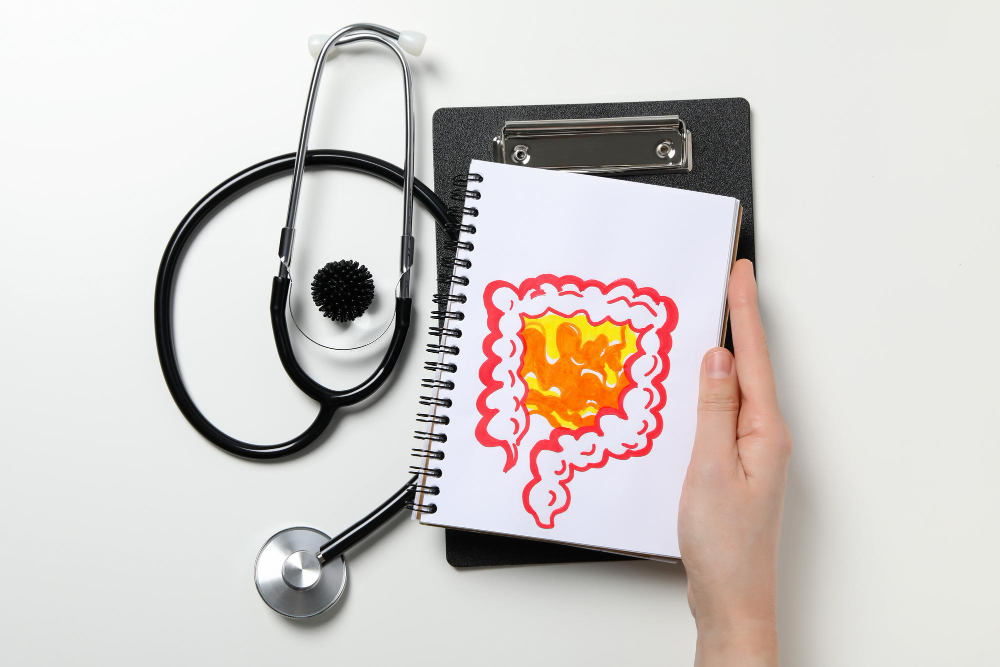
Colon cancer begins in the large intestine, also called the colon. This part of your body helps digest food and remove waste. Sometimes, small growths called polyps form in the colon. While most polyps are harmless, some can turn into cancer over time. However, finding and removing polyps early can stop cancer before it starts. According to the CDC, colon cancer is one of the most common cancers in adults.
Why Early Screening Matters
Early screening for colon cancer can save your life. When doctors find cancer early, treatment is more likely to work. In fact, many people have no symptoms in the early stages. Because of this, you may not know you have a problem until it is serious. With regular screenings, doctors can find and remove polyps before they become cancer. As a result, your risk drops. The World Health Organization recommends regular screenings for adults over 45.
Types of Colon Cancer Screenings
There are several ways to screen for colon cancer. Each test has its own benefits. Your doctor can help you choose the best one for you. Common screening tests include:
Because each test is different, talk to your doctor about which one fits your needs.
Who Should Get Screened and When
Most people should start colon cancer screening at age 45. However, some may need to start earlier. For example, if you have a family history of colon cancer, your doctor may suggest earlier testing. People with certain health problems, like inflammatory bowel disease, may also need earlier or more frequent screenings. The CDC suggests:
Always check with your healthcare provider for advice based on your health and family history.
How to Prepare for a Colon Cancer Screening
Getting ready for a colon cancer screening is important. Preparation helps your doctor get clear results. For a colonoscopy, you may need to:
For stool tests, you may just need to collect a sample at home. Your doctor will give you clear instructions. Because preparation steps can vary, always follow your doctor’s advice closely.
Lifestyle Tips to Lower Your Risk
Besides screenings, healthy habits can lower your risk of colon cancer. For example, you can:
Because small changes add up, start with one or two healthy habits. Over time, these steps can make a big difference.
Frequently Asked Questions About Colon Cancer Screening
Conclusion
Colon cancer is preventable with the right steps. Regular screenings you can’t ignore are key to early detection and prevention. Because everyone’s risk is different, talk to your doctor about when and how to get screened. Your health is worth it. For personal advice, consult Dr. Rajat Choudhari today.