
Introduction to Cancer Spread (Metastasis)
Cancer can be scary, especially when you hear about it spreading. But how does cancer spread in the body? This process is called metastasis. When cancer cells move from their original spot to other parts of the body, it becomes harder to treat. Understanding cancer metastasis can help you spot signs early and take steps to lower your risk.
How Cancer Cells Move: The Process of Metastasis
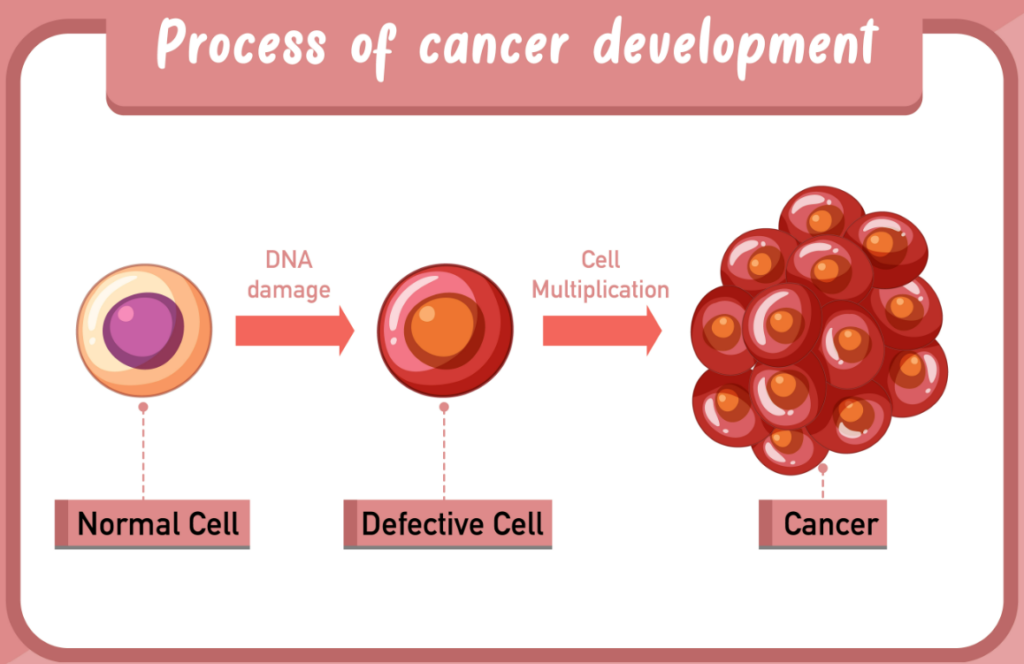
First, cancer starts in one place, called the primary site. Over time, some cancer cells break away. Next, these cells travel through the blood or lymph system. After that, they settle in new areas and start growing. This is how cancer spreads in the body. According to the World Health Organization (WHO), metastasis is a main reason why cancer is so serious.
Because of this process, cancer can show up in places far from where it started.
Common Sites Where Cancer Spreads
Not all cancers spread in the same way. However, some areas are more likely to be affected. For example, breast, lung, and prostate cancers often spread to certain organs. Knowing these common sites can help you watch for symptoms.
For instance, lung cancer may spread to the brain or bones. On the other hand, colon cancer often spreads to the liver.
Symptoms of Cancer Spread
Sometimes, cancer spread does not cause symptoms right away. But as it grows, you may notice changes. Cancer spread symptoms depend on where the cancer has moved. Still, some signs are common.
Because these symptoms can be caused by other problems, it is important to talk to your doctor if you notice any changes.
Diagnosis: How Doctors Detect Cancer Spread
Doctors use several tests to check if cancer has spread. Early detection is key. For example, they may use imaging tests like CT scans, MRIs, or PET scans. Blood tests can also help. Sometimes, doctors take a small sample of tissue, called a biopsy, to look for cancer cells.
Because each case is different, your doctor will choose the best tests for you.
Can Cancer Spread Be Prevented?
While not all cancer spread can be stopped, you can lower your risk. Early treatment is important. According to the Centers for Disease Control and Prevention (CDC), regular check-ups and screenings help catch cancer early. This makes it less likely to spread.
Because prevention is not always possible, staying alert is key.
Lifestyle Tips to Lower Your Risk
Healthy habits can help prevent cancer and lower the risk of spread. Even small changes make a difference. For example, eating well and staying active support your body’s defenses.
Because these steps support your overall health, they also help your body fight cancer.
When to See a Doctor
If you notice new or unusual symptoms, do not wait. For example, sudden pain, lumps, or changes in your health should be checked. Early action can make a big difference. Even if you feel fine, regular check-ups are important, especially if you have a family history of cancer.
Because early detection saves lives, always talk to your doctor about any concerns.
Conclusion and Next Steps
To sum up, understanding how cancer spreads in the body helps you stay informed and seek timely care. While cancer metastasis is a serious condition, early detection, regular monitoring, and following medical advice can support better outcomes. For personalized guidance, evaluation, and early detection support, consult Dr. Rajat Choudhari.