
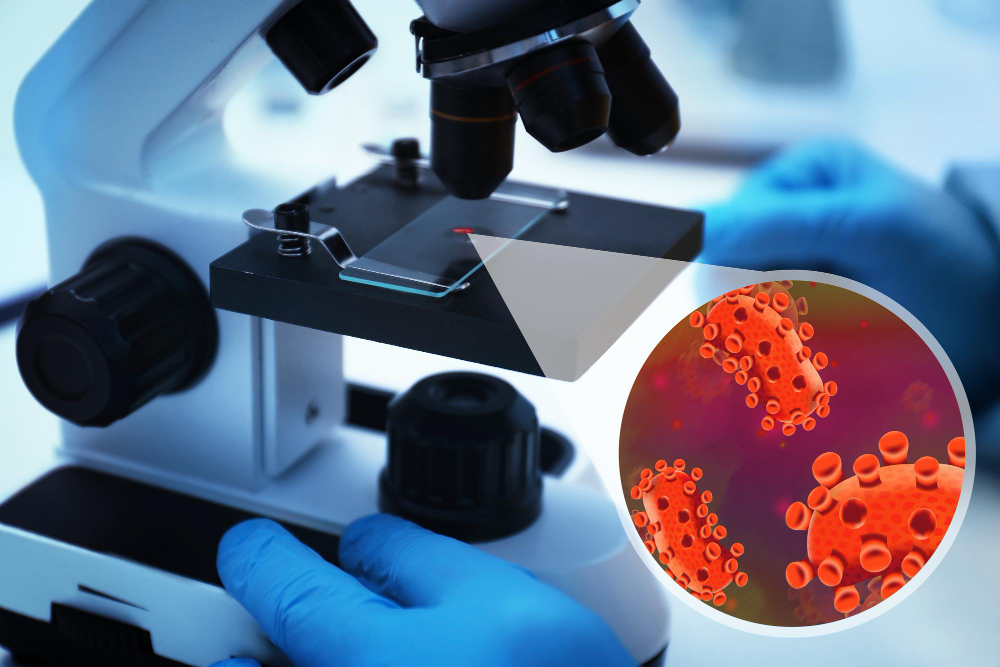
What is a Biopsy?
A biopsy is a medical test. Doctors remove a small piece of tissue from the body. Then, they examine it under a microscope. Often, a biopsy in cancer diagnosis helps find out if a lump or growth is cancerous. Because of this, it is a key step in cancer care.
Why is Tissue Testing Important in Cancer Diagnosis?
Tissue testing, or biopsy, is very important in cancer diagnosis. First, it shows if cancer cells are present. Second, it helps doctors know the type and stage of cancer. As a result, doctors can choose the best treatment. Without a biopsy, it is hard to confirm cancer. According to the World Health Organization (WHO), a biopsy is the gold standard for cancer diagnosis.
Types of Biopsies Used in Cancer Diagnosis
There are several types of biopsies. Each type depends on the location and size of the tissue. Below are the most common types:
How is a Biopsy Performed?
The biopsy procedure depends on the type. Usually, doctors clean the area first. Then, they use local anesthesia to numb the spot. For needle biopsies, a needle is inserted to collect tissue. For surgical biopsies, a small cut is made. Afterward, the tissue goes to a lab for testing. In most cases, the procedure is quick and safe.
What to Expect Before, During, and After a Biopsy
Before the biopsy, your doctor will explain the steps. You may need to stop certain medicines. During the biopsy, you may feel some pressure or mild pain. However, anesthesia helps reduce discomfort. After the biopsy, you might have a small bandage. Sometimes, there is mild swelling or bruising. Usually, you can go home the same day. If you notice heavy bleeding or fever, contact your doctor right away.
Risks and Benefits of Biopsy
Like any medical test, a biopsy has risks and benefits. However, the benefits often outweigh the risks.
According to the Centers for Disease Control and Prevention (CDC), serious problems are rare. Most people recover quickly.
Frequently Asked Questions about Biopsies
Prevention and Early Detection Tips
While a biopsy helps diagnose cancer, early detection is key. Here are some tips:
Early action can make a big difference. In many countries, cancer screening programs are available. Ask your healthcare provider about options in your area.
In summary, a biopsy in cancer diagnosis is a vital step. It helps confirm cancer and guides treatment. If you have concerns about a biopsy procedure or cancer tissue testing, consult Dr. Rajat Choudhari for personalized advice.