What is Thyroid Cancer?
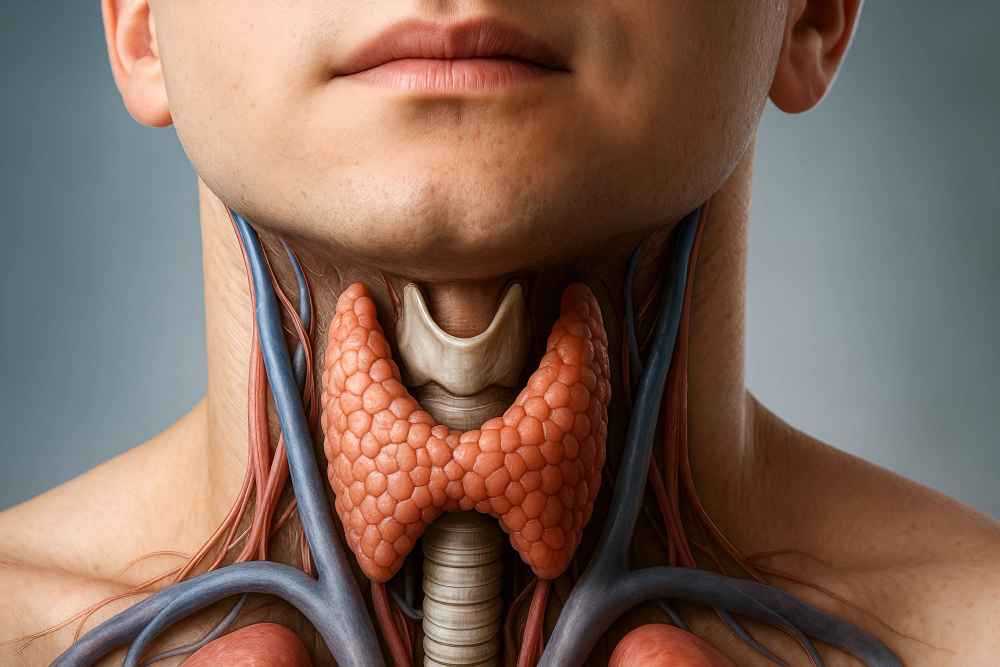
Thyroid cancer is a type of cancer that starts in the thyroid gland. The thyroid is a small, butterfly-shaped gland in the front of your neck. It makes hormones that help control your body’s energy and metabolism. Although thyroid cancer is not as common as some other cancers, it is important to know about it. Early diagnosis and treatment can lead to better outcomes. According to the World Health Organization (WHO), thyroid cancer rates have increased in recent years. However, most cases can be treated successfully.
Common Symptoms of Thyroid Cancer
Many people with thyroid cancer do not notice symptoms at first. Still, some signs can appear as the cancer grows. For example, you might feel a lump in your neck. Other symptoms can include:
If you notice any of these symptoms, it is important to see your doctor. Early detection can make a big difference in treatment success.
Causes and Risk Factors
Doctors do not always know what causes thyroid cancer. However, some factors can raise your risk. For instance, having a family history of thyroid cancer can increase your chances. Other risk factors include:
Even though these factors can increase risk, many people with thyroid cancer have no known risk factors. Therefore, regular check-ups are important for everyone.
How Thyroid Cancer is Diagnosed
Doctors use several steps to diagnose thyroid cancer. First, they will ask about your symptoms and medical history. Next, they may feel your neck for lumps or swelling. If they find something unusual, they may order tests such as:
With these tests, doctors can confirm if you have thyroid cancer and decide on the best treatment plan. According to the Centers for Disease Control and Prevention (CDC), early diagnosis improves the chances of a full recovery.
Treatment Options for Thyroid Cancer
Treatment for thyroid cancer depends on the type and stage of the cancer. Most people will need surgery to remove part or all of the thyroid gland. In addition, other treatments may include:
Your doctor will discuss the best options for you. In many cases, people recover well after treatment. However, regular follow-up is important to check for any signs of cancer coming back.
Lifestyle Tips and Support
After treatment, you may need to make some changes to your daily life. For example, you might need to take thyroid hormone pills every day. Here are some tips to help you stay healthy:
Remember, emotional support is just as important as physical care. Many people find comfort in talking with others who have gone through similar experiences.
Prevention and Early Detection
While you cannot always prevent thyroid cancer, you can lower your risk. For instance, avoid unnecessary exposure to radiation, especially in childhood. If you have a family history of thyroid cancer, talk to your doctor about regular screening. In some areas, iodine deficiency can increase risk, so eating enough iodine-rich foods may help. Early detection is key. Therefore, pay attention to any changes in your neck and report them to your doctor right away.
In summary, understanding thyroid cancer and its treatment options can help you make informed choices. Consult a healthcare specialist Dr. Rajat Choudhari for personalized guidance on thyroid cancer diagnosis and treatment.